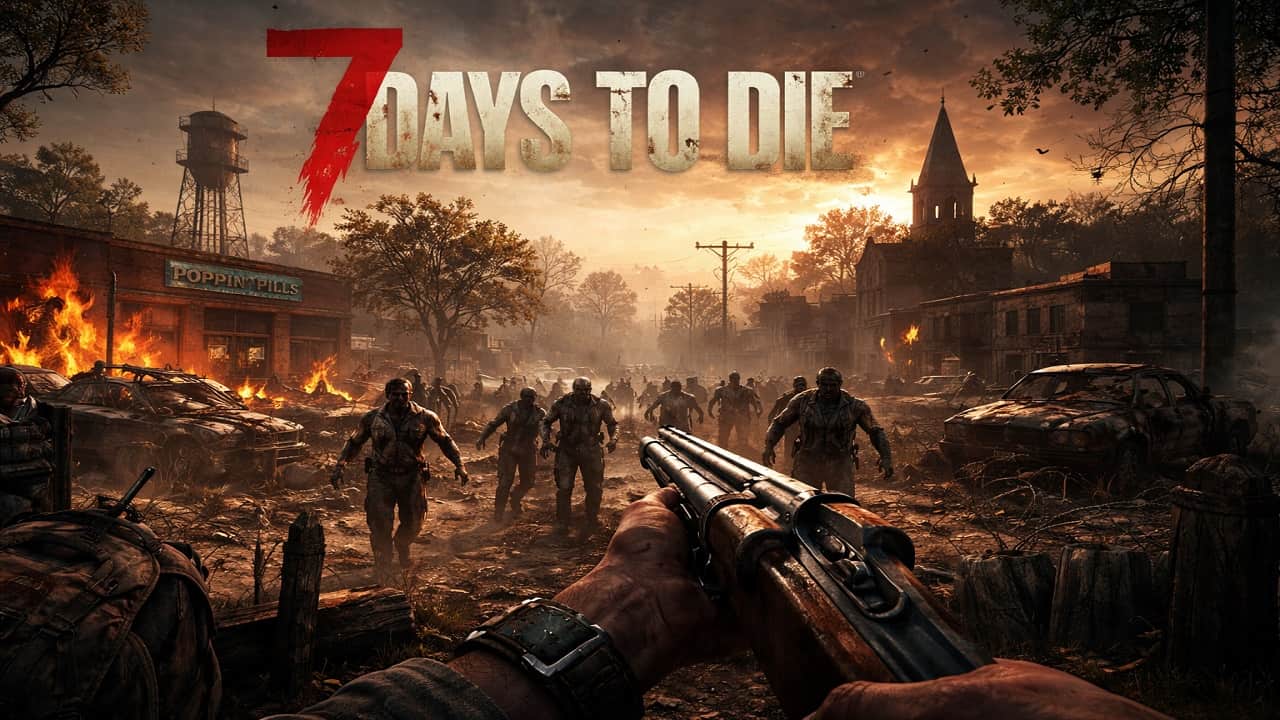
7 Days to Die is a brutal open-world survival experience that blends crafting, building, exploration, and relentless zombie combat. Set in a devastated post-apocalyptic world, the game challenges players to survive against the undead and the environment itself. With deep progression systems and destructible environments, every decision matters. Whether you play solo or with friends, each passing day increases danger, especially when the terrifying seventh night arrives.
Interdoce 7 Days to Die
7 Days to Die is a sandbox survival horror game developed by The Fun Pimps. It combines first-person shooting, role-playing elements, tower defense mechanics, and open-world exploration into one seamless experience. Unlike many survival games, it features a fully destructible voxel-based world. Players can mine underground, reinforce buildings, or construct massive fortresses from scratch.
The game’s core concept revolves around a repeating seven-day cycle. During the week, players scavenge for supplies, craft tools, complete quests, and strengthen their base. However, every seventh night triggers a deadly Blood Moon horde that relentlessly attacks. This mechanic creates constant tension and strategic planning. As skills improve and loot becomes better, enemies also grow stronger. Because of this scaling difficulty, 7 Days to Die remains challenging and engaging for long-term players.
The Story
7 Days to Die takes place in Navezgane County, Arizona, after a global catastrophe wipes out most of humanity. A mysterious infection transforms people and animals into aggressive undead creatures. You begin as a lone survivor with minimal supplies and no clear guidance. There are no long cinematic sequences or strict missions controlling your path. Instead, the story unfolds through environmental clues, abandoned towns, scattered notes, and trader interactions.
As you explore ruined houses, military camps, and underground bunkers, you slowly piece together what may have happened. The absence of direct storytelling allows players to create their own survival narrative. Every base you build, and every horde you survive, becomes part of your personal story in this unforgiving world.
Gameplay Mechanics
Exploration and Looting
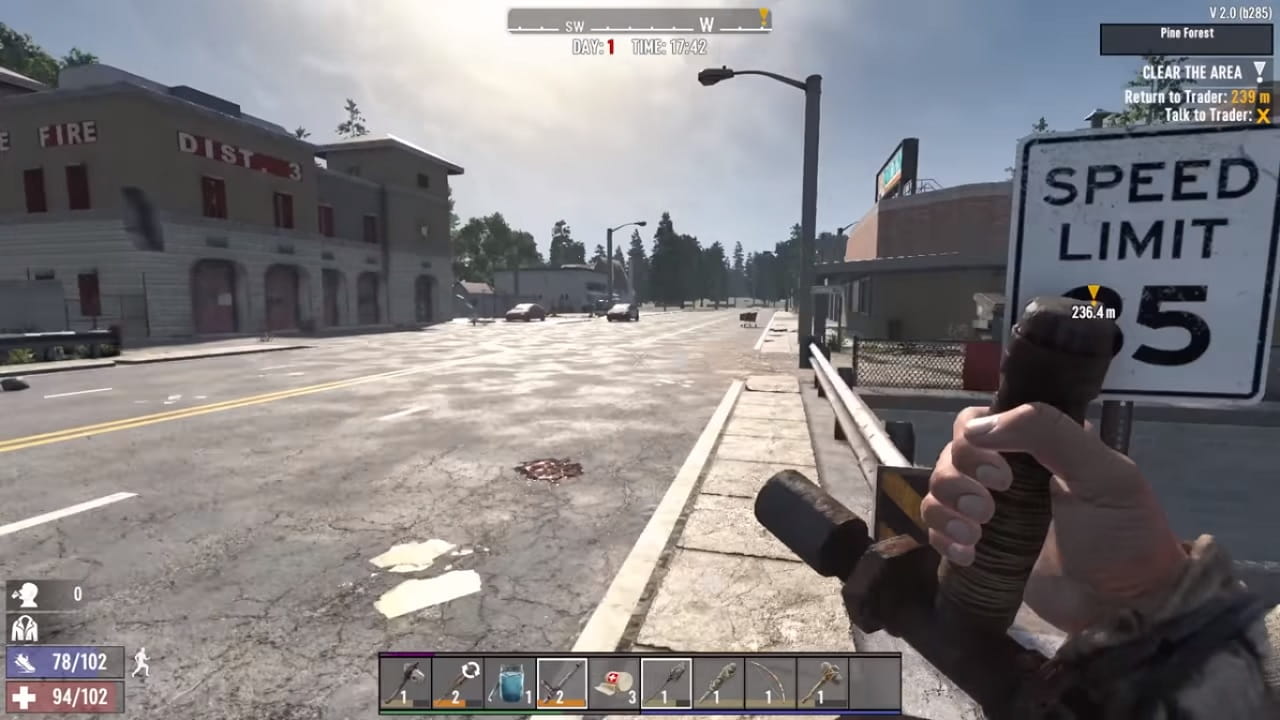
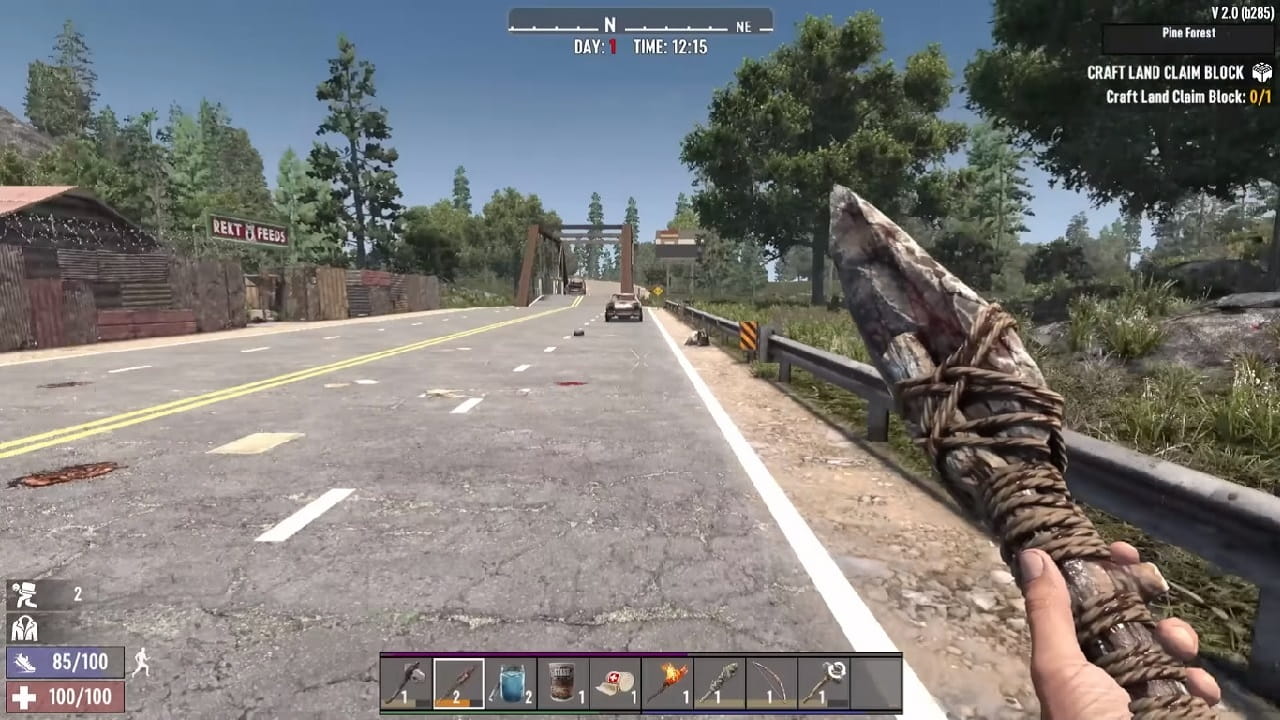
Exploration drives progress in 7 Days to Die. Players search abandoned buildings, vehicles, and hidden stashes for food, weapons, and crafting materials. Points of Interest vary in difficulty and rewards. Riskier areas contain stronger zombies but better loot. Careful planning ensures you return home safely with valuable supplies.
Crafting and Building
Crafting is essential for survival. You can create tools, armor, medical supplies, and advanced weapons using gathered resources. Building mechanics allow complete structural freedom. Players design bases with traps, reinforced walls, and escape routes. Because zombies can destroy structures, construction must be strategic rather than decorative.
Skill Progression System
7 Days to Die includes a deep perk and attribute system. By earning experience points, players unlock crafting recipes, combat bonuses, and survival improvements. You can specialize in strength, agility, intellect, or perception. This flexibility allows unique playstyles, whether you prefer melee combat, sniping, or engineering defenses.
Blood Moon Horde
Every seventh night, the sky turns red, and the Blood Moon horde begins. Zombies run faster, detect you easily, and attack in waves. They focus directly on your location. This event tests preparation and base design. Surviving the horde provides massive experience and valuable loot.
Graphics
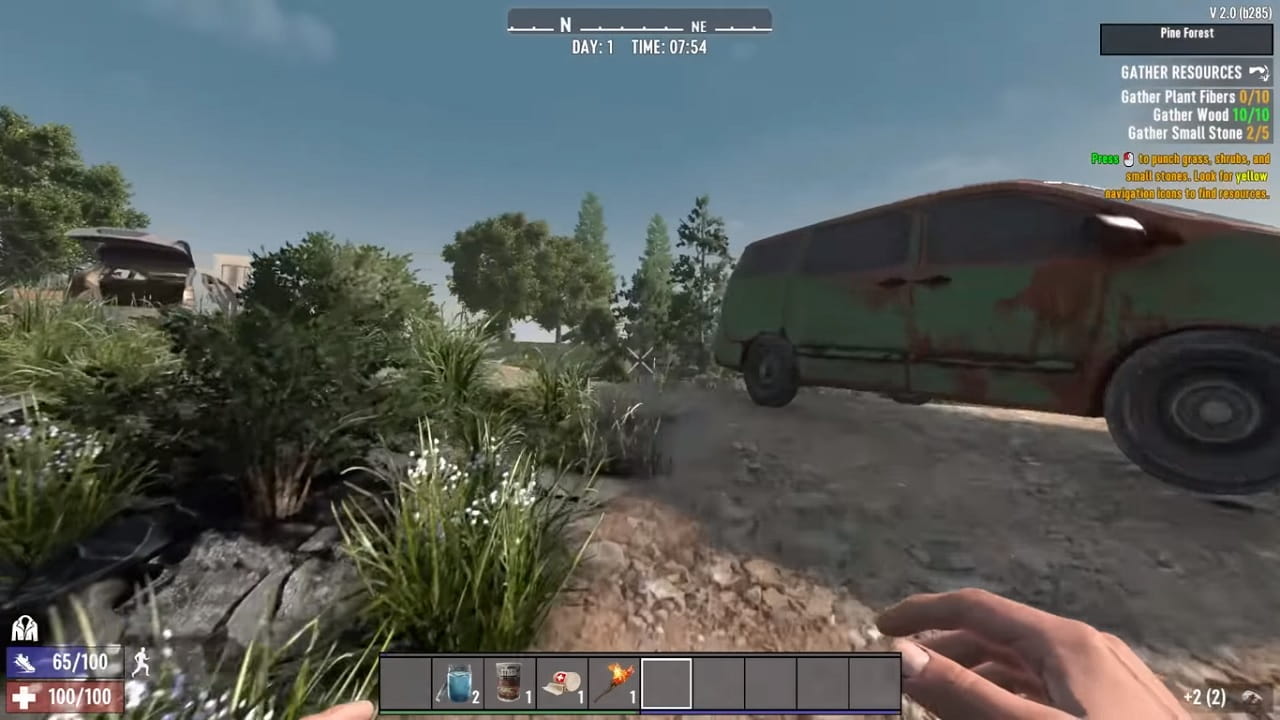
7 Days to Die PC version uses a realistic yet gritty art style that suits its dark survival theme. The environments feel abandoned and dangerous. Ruined cities, broken highways, burned forests, and desolate deserts create strong atmospheric immersion. Lighting plays a key role. Nighttime is extremely dark, increasing tension and forcing players to use torches or flashlights.
Character models and zombies vary in design. Some enemies appear decayed and slow, while others look mutated and aggressive. The fully destructible voxel-based world adds visual depth, as buildings collapse realistically under pressure. While the graphics may not match ultra-modern AAA titles, the environmental detail and dynamic destruction make the world feel alive and reactive.
Game Modes
- Survival Mode ➤ The standard experience where players gather resources, build bases, and survive Blood Moon hordes in an open-world sandbox environment with customizable difficulty settings.
- Multiplayer Co-op ➤ Players can join friends online to build shared bases, explore dangerous cities together, and defend against massive hordes with coordinated teamwork strategies.
- PvP Servers ➤ Competitive servers allow players to fight each other while surviving zombies, creating intense base raids, and forming strategic alliances.
- Creative Mode ➤ A sandbox mode with unlimited resources, ideal for experimenting with base designs, testing traps, and learning building mechanics.
Weapons
- Melee Weapons: Clubs, spears, sledgehammers, and knives allow close combat. They are silent and conserve ammunition but require careful stamina management.
- Firearms: Pistols, shotguns, rifles, and machine guns deliver high damage. However, gunfire attracts nearby zombies, increasing danger during urban exploration.
- Bows and Crossbows: Silent ranged options perfect for stealth gameplay. They are ideal for early survival and controlled clearing of buildings.
- Explosives: Pipe bombs and grenades deal heavy area damage. They are powerful during horde nights but require caution to avoid self-damage.
Characters
- The Survivor (Player Character) ▶ A customizable protagonist who develops skills based on chosen attributes and perks, shaping your survival strategy.
- Traders ▶ NPC merchants located in safe compounds. They offer quests, buy loot, and sell rare items that speed up progression.
- Standard Zombies ▶ Slow-moving infected commonly found in towns and houses. They are manageable alone but dangerous in groups.
- Special Infected ▶ Mutated enemies such as feral and radiated zombies. They move faster, hit harder, and appear more frequently in late-game stages.
Base Building and Creative Freedom
Base building is not just a side feature. It is a central pillar of the experience. Thanks to the voxel-based world, almost everything can be shaped or destroyed.
You can:
- Convert an existing house into a fortress.
- Build an underground bunker.
- Construct a tower surrounded by traps.
- Create a fully electrified compound.
Furthermore, advanced crafting unlocks generators, solar panels, motion sensors, and blade traps. As a result, players can design complex defense systems. This creative freedom sets 7 Days to Die PS4 apart from many other survival games.
Skills, Perks, and Character Progression
Progression adds long-term motivation. Every action grants experience points. As you level up, you unlock skill points that can be invested in different attributes.
For example:
- Strength improves melee damage and heavy weapon usage.
- Agility enhances stealth and archery.
- Intelligence unlocks advanced crafting and engineering skills.
Because of this system, players can specialize in different roles. In multiplayer, one player may focus on construction while another becomes the primary fighter. This division of roles encourages cooperation and strategic planning.
Features of 7 Days to Die
7 Days to Die is one of the best zombie games, especially for PlayStation. It boasts realistic design, high-quality visuals, and fantastic features that have earned it numerous awards and nominations. Below, we’ll highlight some of 7 Days to Die’s key features.
Fully Destructible World
One of the most impressive features of the 7 Days to Die Xbox One is its fully destructible voxel-based environment. Every structure can be broken, reshaped, or reinforced block by block. Players can dig underground tunnels, create hidden bunkers, or collapse entire buildings. However, zombies use the same physics system, which means weak designs quickly fall apart under pressure.
Dynamic System
The Blood Moon system creates a predictable yet terrifying survival cycle. Every seventh night, aggressive zombies track your exact location and attack relentlessly. As days progress, hordes become larger and more dangerous. This escalating difficulty forces players to improve defenses continuously, preventing gameplay from becoming repetitive or too comfortable over time.
Advanced Crafting
Crafting in 7 Days to Die goes far beyond simple tools. Players can manufacture advanced weapons, mechanical traps, electrical systems, armor sets, and even vehicles. Crafting quality improves with perks and experience. Because rare resources are found in dangerous locations, exploration directly connects to technological progression and long-term survival success.
Massive Open-World Exploration
7 Days to Die features large procedurally generated maps filled with cities, rural towns, factories, and underground facilities. Each biome contains unique enemies, weather effects, and resources. This environmental diversity encourages constant exploration. Since valuable loot often appears in high-risk areas, players must balance preparation and courage before entering dangerous locations.
Realistic Survival Systems
Survival depends on more than fighting zombies. Players must manage hunger, thirst, stamina, injuries, infections, temperature, and even broken limbs. Ignoring these conditions leads to serious penalties. This realism increases immersion and forces strategic planning. Every decision, including food consumption and travel timing, directly affects long-term survivability.
Craftable Vehicles for Mobility
Transportation becomes essential as the map expands. Players can craft bicycles, minibikes, motorcycles, 4×4 trucks, and even gyrocopters. Vehicles reduce travel time and increase carrying capacity. They also improve escape options during emergencies. However, fuel management and maintenance remain important factors in long-distance exploration.
Trader Quest System
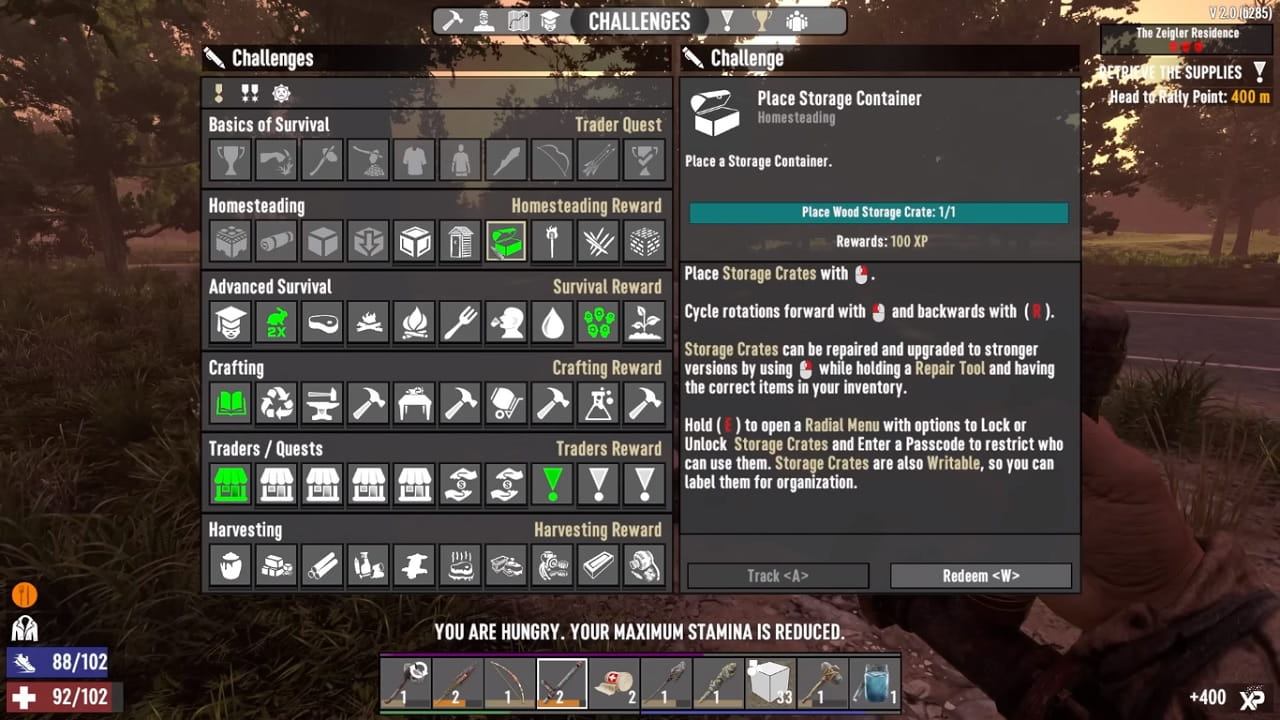
NPC traders provide structured missions such as clearing buildings, retrieving supplies, or digging up buried caches. Completing quests rewards experience points, currency, and rare equipment. This system offers direction for new players while maintaining sandbox freedom. It also creates a reliable progression path beyond random exploration.
Defensive Traps
Base defense becomes highly strategic thanks to craftable traps and electrical components. Players can install blade traps, electric fences, dart launchers, and reinforced doors. Proper placement can eliminate entire waves during Blood Moon events. Creative automation reduces direct combat risk and transforms bases into efficient defensive fortresses.
Flexible Multiplayer Experience
The multiplayer system supports cooperative survival and competitive PvP servers. Friends can share resources, design massive bases, and coordinate horde defense strategies. Alternatively, PvP servers introduce base raiding and territorial conflicts. Server customization options allow communities to adjust difficulty, loot abundance, and gameplay rules for unique experiences.
Long-Term Scaling Difficulty
As in-game days pass, loot quality improves, and enemy types become more dangerous. Feral and irradiated zombies appear more frequently in later stages. This scaling system ensures consistent challenge. Players must continuously upgrade equipment, strengthen bases, and refine strategies to survive increasingly aggressive hordes over extended gameplay sessions.
Why 7 Days to Die Remains Popular?
Despite being in development for years, the game maintains a strong community. Frequent updates introduce new mechanics, balance changes, and graphical improvements. In addition, modding support extends replay value.
Players appreciate the constant challenge. Even experienced survivors can be overwhelmed by unexpected horde attacks or structural collapses. Moreover, the blend of genres appeals to different audiences. Builders, fighters, explorers, and strategists all find something enjoyable.
Tips and Tricks for Playing 7 Days to Die (For Beginners)
- Prioritize gathering food and water on the first day.
- Craft a bow early for silent zombie elimination.
- Choose a strong building for your first Blood Moon defense.
- Upgrade wooden frames to stronger materials quickly.
- Invest skill points wisely instead of spreading them randomly.
- Always carry medical supplies during exploration.
- Avoid nighttime exploration in early stages.
7 Days to Die System Requirements
If you plan to survive the brutal wasteland of 7 Days to Die, your PC setup matters more than you think. This sandbox survival title blends open-world exploration, crafting, base building, and large-scale zombie hordes, all of which can push your hardware hard, especially during Blood Moon nights. Below is a clear, exclusive breakdown of the game’s system requirements and what they mean in real-world performance.
Minimum System Requirements
- Operating System: Windows 10 (64-bit).
- Processor: 2.8 GHz Quad-Core CPU.
- Memory (RAM): 8 GB.
- Graphics Card: 2 GB Dedicated VRAM (DirectX 11 compatible).
- DirectX: Version 11.
- Storage: Around 15–20 GB available space.
- Internet: Required for online multiplayer.
Recommended System Requirements
- Operating System: Windows 10/11 (64-bit).
- Processor: 3.2 GHz Quad-Core CPU or better.
- Memory (RAM): 12–16 GB.
- Graphics Card: 4 GB VRAM or higher.
- DirectX: Version 11 or newer.
- Storage: SSD strongly recommended.
Game Info
- Developers: The Fun Pimps, Iron Galaxy.
- Released date: December 13, 2013.
- Genres: Survival, Horror, Role-playing, Indie game.
- Publishers: The Fun Pimps, Telltale Games.
- Engine: Unity, Unity 5.
- Platforms: PlayStation 5, Xbox One, PlayStation 4, PC, Microsoft Windows.
FAQ
Is 7 Days to Die multiplayer?
Yes. 7 Days to Die supports online co-op and PvP servers.
Is 7 Days to Die cross-platform?
Cross-platform support depends on platform versions and updates.
How long does a day last?
By default, one in-game day lasts about 60 real-time minutes.
What happens on the seventh day?
A Blood Moon horde attacks your base in large waves.
Can you play offline?
Yes. 7 Days to Die supports single-player offline mode.
Is there an end to the game?
There is no fixed ending. Survival continues as long as you stay alive.
How to play 7 Days to Die?
Conclusion
7 Days to Die delivers one of the most intense survival horror experiences available today. By combining crafting, exploration, building, and strategic combat, it creates a dynamic world that constantly challenges players. The Blood Moon mechanic ensures rising tension, while the skill system encourages long-term progression. Additionally, multiplayer servers expand replay value and social interaction.
Although the game demands patience and planning, it rewards creativity and smart decision-making. Whether you enjoy base construction, scavenging for rare loot, or surviving massive zombie hordes, 7 Days to Die offers endless possibilities. If you are searching for a deep sandbox survival game with meaningful progression and replayability, this title remains a powerful choice.