
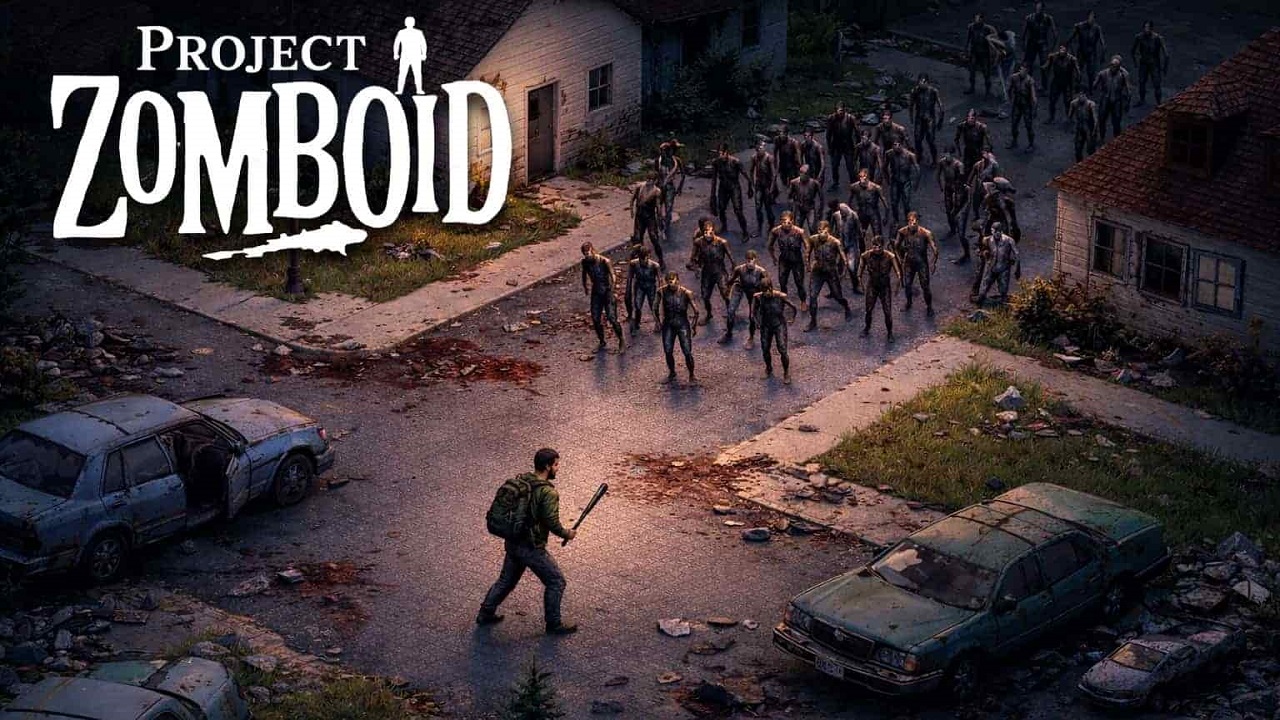
Project Zomboid is one of the most detailed and realistic zombie survival games ever created. It challenges players to survive in a brutal, unforgiving world where every decision matters. Instead of focusing on action alone, the game emphasizes planning, resource management, and long-term survival. With deep mechanics, massive maps, and constant updates, Project Zomboid offers an intense sandbox experience where death is permanent, and survival is never guaranteed.
What Is Project Zomboid?
Project Zomboid is an isometric open-world survival game developed by The Indie Stone. It places players in a zombie-infested version of Kentucky, where the main objective is simple but terrifying: survive as long as possible. There is no final victory screen. The game openly tells you that “this is how you died.”
Project Zomboid stands out because it focuses on realism instead of arcade-style action. Hunger, thirst, fatigue, illness, injuries, mental health, and even boredom all affect your character. Every system is designed to create believable survival pressure. This makes Project Zomboid one of the deepest survival simulations in gaming.
The Story
Project Zomboid does not tell a traditional story with cutscenes. Instead, the narrative is environmental and player-driven. The game takes place after a mysterious infection spreads across Knox County, Kentucky. The government fails, society collapses, and the undead take over.
The story is told through radio broadcasts, TV programs, notes, and environmental clues. These details help players understand what happened. However, the real story is the one you create through your survival journey, your close calls, and your eventual death.
Realism Systems
Project Zomboid tracks hunger, thirst, fatigue, temperature, stress, panic, and depression. These systems interact with each other in realistic ways. Being tired makes you weaker in combat. Being hungry reduces strength. Panic lowers accuracy. Wet clothing can make you sick.
Injuries are also complex. Cuts, scratches, deep wounds, fractures, and infections require proper treatment. Players must disinfect wounds, apply bandages, and rest. If you ignore injuries, they can become fatal. This realism forces players to think carefully about risks.
Gameplay Mechanics
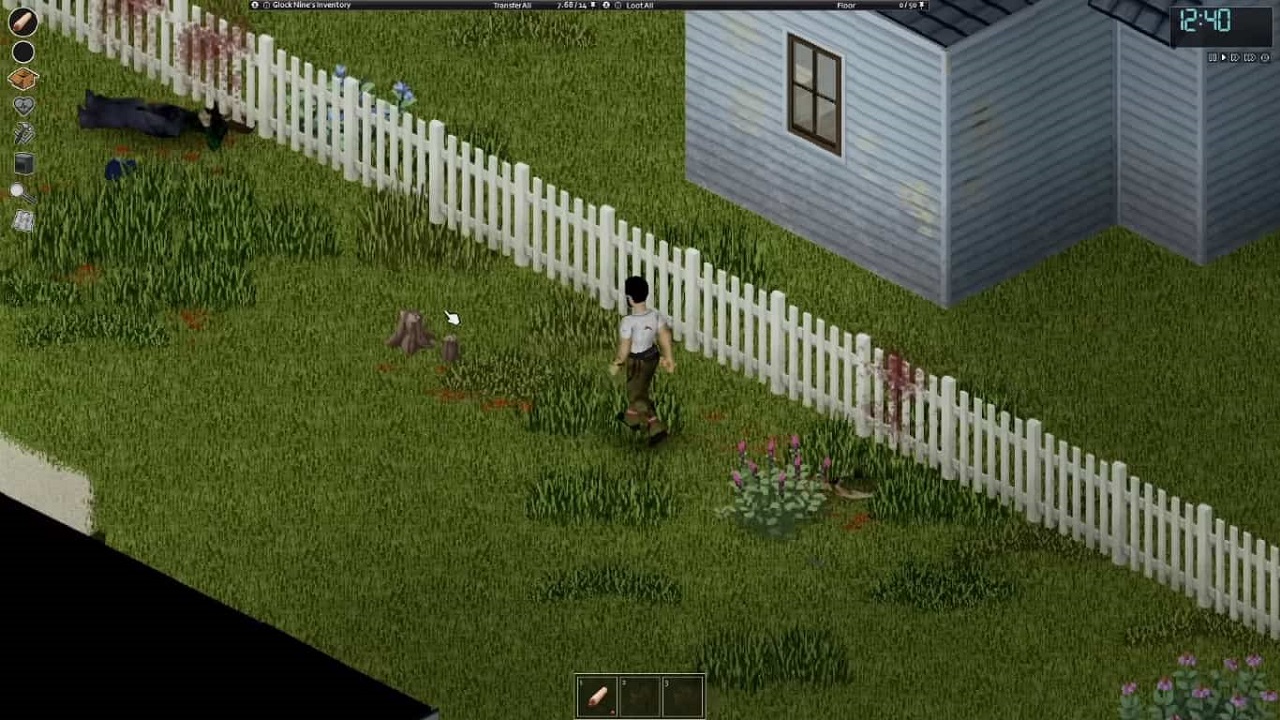
Project Zomboid relies on smooth and familiar gameplay mechanics, featuring a vast and expansive field of view, among other unique advantages in survival games. Below, we’ll highlight some of the key gameplay features.
Survival Systems
Players must manage hunger, thirst, fatigue, temperature, and health. Neglecting any of these can quickly lead to illness, injury, or death.
Combat and Stealth
Combat is slow and dangerous. Stealth is often safer than fighting. Noise, visibility, and positioning all affect how zombies react to you.
Skills and Progression
Skills such as carpentry, cooking, mechanics, farming, and combat improve through use. Higher skills unlock better crafting, stronger builds, and improved efficiency.
Crafting and Building
Players can craft weapons, tools, barricades, furniture, and entire safehouses. Base-building is a major long-term survival strategy.
Vehicles and Transportation
Cars, vans, and trucks can be found, repaired, fueled, and used. Vehicles help with travel and hauling but also attract zombies due to noise.
Health and Injuries
Wounds, fractures, infections, and mental conditions like stress and depression affect performance. Proper medical care is critical for long-term survival.
Project Zomboid Game Modes
- Survival Mode: The core experience of Project Zomboid. Players are dropped into a hostile world with limited supplies and must survive as long as possible. There are no objectives beyond staying alive.
- Sandbox Mode: Allows full customization of the game world. You can change zombie numbers, infection rules, loot rarity, weather, and many other settings to create your own difficulty and playstyle.
- Builder Mode: A more relaxed mode designed for players who want to focus on building, exploring, and learning mechanics with fewer zombies and easier survival conditions.
- Challenge Scenarios: Pre-made scenarios with special rules and unique situations, such as sudden outbreaks, extreme weather, or special survival challenges.
- Multiplayer Mode: Play online with friends or on public servers. Multiplayer adds social dynamics, shared bases, PvP, trading, and large community-driven survival stories.
Multiplayer and Co-Op Survival
Multiplayer allows players to survive together on dedicated servers or hosted sessions. Cooperative play adds new layers of strategy. Players can divide roles such as scavenger, builder, farmer, or medic. Communication and teamwork become essential.
Multiplayer also supports PvP, creating dangerous human threats in addition to zombies. Other players can betray, steal, or attack. This makes the world feel more alive and unpredictable. Multiplayer turns Project Zomboid into a true social survival simulator.
Project Zomboid Maps
- Knox Country (Main Map): The primary game world, featuring towns, highways, rural areas, and forests.
- Muldraugh: A suburban town with many homes and warehouses, popular for early-game survival.
- West Point: A dense, high-risk town with a high zombie population and valuable loot.
- Rosewood: A smaller town with a prison and fire station, often chosen by beginners.
- Riverside: A riverside community with fishing opportunities and quieter neighborhoods.
- Louisville: A massive late-game city with extremely high zombie density and rare loot.
Graphics
Project Zomboid uses an isometric art style that focuses on clarity and function rather than flashy effects. The visuals may look simple at first, but they support deep gameplay systems. Lighting, weather, and time of day all affect visibility and mood.
Animations are detailed and constantly improving. Characters show fatigue, injuries, and emotional states. Blood, dirt, and damage build up over time, visually showing your survival journey. The style supports immersion and long-term storytelling.
Weapons in Project Zomboid
Project Zomboid features a robust and upgradable weapon system. The game includes a diverse arsenal of weapons, each with its own specific use in particular situations and missions. Below, we’ll highlight some of the most prominent weapons in Project Zomboid.
Melee Weapons
Melee weapons are the backbone of survival in Project Zomboid. Items like baseball bats, crowbars, frying pans, and axes are commonly used. They are quiet, making them ideal for stealth gameplay, and they help conserve ammunition while reducing noise that could attract hordes.
Bladed Weapons
Knives, machetes, and katanas offer fast attack speeds and high critical hit chances. These weapons are perfect for skilled players who rely on precise timing and positioning. They are deadly in close combat but require good durability management.
Long Blunt Weapons
Weapons such as spears, shovels, and metal pipes provide extended reach. This allows players to keep zombies at a safer distance. Long blunt weapons are great for crowd control and are highly effective when used with proper spacing.
Firearms
Guns like pistols, shotguns, rifles, and revolvers offer powerful long-range damage. However, they generate loud noise that can attract large groups of zombies. Firearms are best used in emergencies or well-planned clearing operations.
Improvised Weapons
Players can craft spears and other makeshift weapons from everyday items. These weapons reflect the game’s deep survival mechanics and allow creativity when standard weapons are unavailable.
Heavy Tools as Weapons
Axes, sledgehammers, and pickaxes serve dual purposes. They are essential tools for base-building and destruction while also being powerful melee weapons against tougher zombie groups.
Characters in Project Zomboid
- Custom Survivor Creation: Project Zomboid allows players to fully customize their character’s appearance, traits, and occupation. This system ensures every survivor feels unique and plays differently.
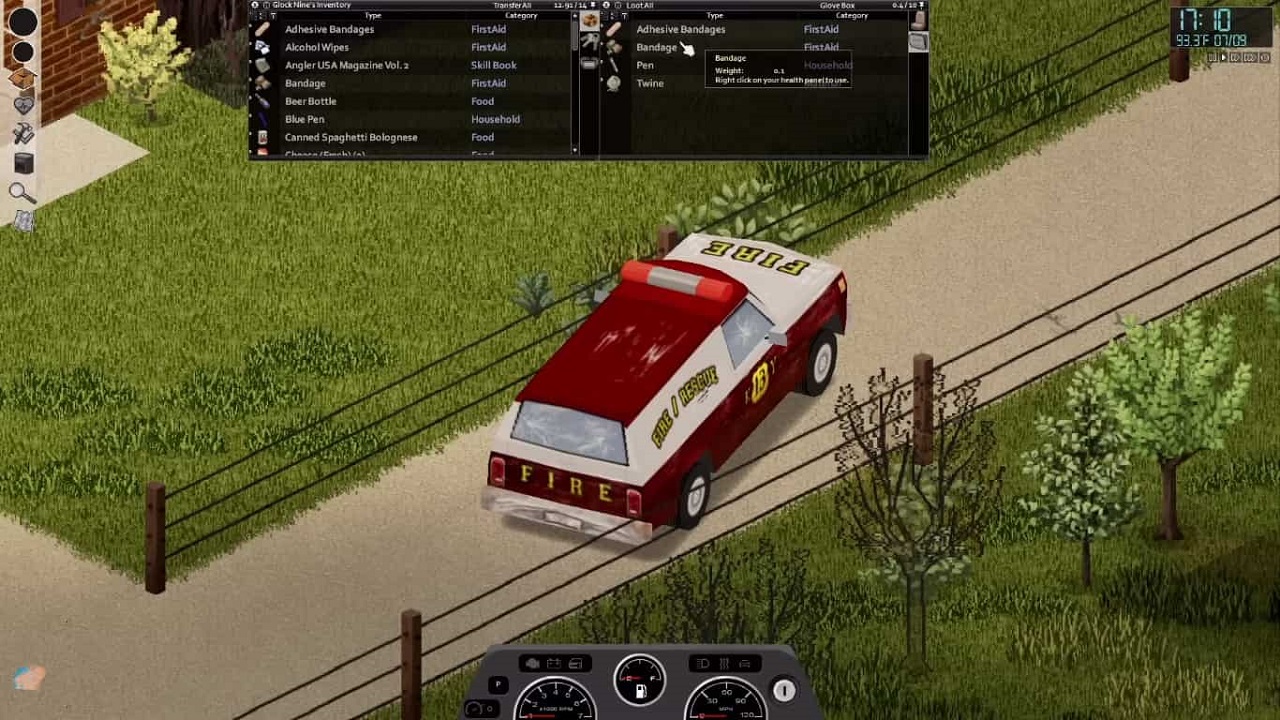
- Occupation System: Occupations such as Carpenter, Fire Officer, Doctor, Burglar, and Veteran provide special starting skills and bonuses. These choices heavily influence early-game survival strategies and long-term progression.
- Traits and Perks: Positive and negative traits shape a character’s strengths and weaknesses. Traits affect things like fitness, panic, learning speed, and combat ability, adding deep role-playing elements.
- Skill Progression: Characters improve over time through practice. Skills like Aiming, Reloading, Carpentry, Cooking, Farming, and First Aid allow survivors to become more efficient and self-sufficient.
- Psychological and Physical States: Characters can suffer from panic, stress, depression, fatigue, and injuries. These systems make survival more realistic and force players to manage both mental and physical health.
- Permadeath System: When a character dies, they are gone forever. This makes every decision meaningful and creates emotional attachment to each survivor’s story and progress.
Difficulty and Learning Curve
Project Zomboid is intentionally difficult. New players often die quickly. The game teaches through failure. Each death helps players learn better strategies, safer combat, and smarter planning.
The learning curve is part of the experience. Over time, players improve and survive longer. This creates a strong sense of progression and personal achievement. The difficulty makes survival meaningful and rewarding.
Key Features of Project Zomboid
Project Zomboid is one of the best zombie games for PC, Mac, and other platforms. As such, players will explore many fantastic features, exciting missions, and unique advantages. Below you will find some of the most prominent features of the game.
Deep Survival Simulation
Project Zomboid simulates real survival challenges, including hunger, thirst, fatigue, illness, and mental health. These systems interact in complex ways. Players must balance physical and emotional needs. This depth makes every survival decision meaningful and forces players to think long-term instead of focusing only on combat.
Permanent Death System
Death is permanent in Project Zomboid. When your character dies, they are gone forever. This creates high tension and emotional investment. Players become cautious and strategic. Permanent death encourages learning, careful planning, and accepting that every run will eventually end.
Large Open-World Map
The massive map offers towns, rural areas, highways, and forests. Each area has unique challenges and loot opportunities. Players can explore freely and choose their own survival path. The scale supports long-term gameplay and encourages exploration, base relocation, and strategic movement.
Advanced Zombie Behavior
Zombies respond to sound, sight, and player actions. They can group together and overwhelm careless players. Their behavior makes stealth important. Players must manage noise, plan routes, and use distractions. Zombie AI creates realistic threats instead of predictable enemies.
Detailed Crafting System
Crafting allows players to create tools, weapons, medical items, and survival gear. Recipes require materials and skills. Crafting supports self-sufficiency and base building. It rewards players who plan ahead and invest time in learning survival techniques.
Base Building and Fortification
Players can barricade windows, build walls, and create safe houses. Base building adds strategic depth. A strong base provides safety and storage. Choosing a good location and improving defenses over time becomes a major part of long-term survival planning.
Progression System
Characters improve skills like carpentry, cooking, mechanics, and combat. Skill progression unlocks better crafting and efficiency. This system rewards long-term survival. Players feel real growth over time, making each character’s journey unique and more emotionally impactful.
Social Survival
Multiplayer adds cooperation and competition. Players can work together or fight each other. Shared bases, trading, and group survival create new strategies. Human players introduce unpredictable danger and opportunities, making each multiplayer session feel different and more dynamic.
Extensive Support
Mods expand gameplay with new content and mechanics. Players can customize difficulty, add weapons, and change systems. Modding keeps the game fresh and allows creative community contributions. This support greatly increases replayability and long-term value.
Future Content
The developers continue to improve Project Zomboid with major updates. New animations, systems, and planned NPCs show long-term commitment. Regular improvements keep the game relevant. Players benefit from continuous evolution and expanding gameplay possibilities.
Why Project Zomboid Is Unique?
Project Zomboid stands out because it treats survival seriously. It is not about power fantasy. It is about vulnerability, planning, and realism. The emotional impact of long-term characters, permanent death, and slow progression creates a powerful experience.
Few games offer this level of simulation and freedom. The sandbox nature allows players to tell their own stories. This makes Project Zomboid more than just a zombie game. It is a full survival simulation.
Tips for Playing Project Zomboid
- Always clear zombies before looting an area.
- Use stealth instead of fighting whenever possible.
- Secure a safehouse early in the game.
- Carry only what you need to avoid fatigue.
- Learn carpentry to build strong defenses.
- Watch TV and read skill books early to gain bonuses.
- Avoid using guns unless you are prepared for hordes.
Project Zomboid System Requirements (PC)
Based on the latest official Steam listing
Minimum / Recommended Requirements (Windows)
- Operating System: Windows 10 (64-bit).
- Processor: Intel 2.77 GHz Quad-Core CPU or equivalent.
- Memory (RAM): 8 GB RAM.
- Storage: 5 GB available disk space.
- Graphics Card: Dedicated GPU with at least 2 GB VRAM.
- Must support OpenGL 2.1 and GLSL 1.2 (2012 or newer recommended).
- Sound: FMOD-compatible sound card.
macOS Requirements
- OS: macOS 10.15 or later.
- Processor: Intel x86 (Apple Silicon M1/M2 not officially supported).
- Memory: 8 GB RAM.
- Graphics: AMD or Intel Integrated (NVIDIA not supported on Mac).
- Storage: 5 GB available space.
Linux Requirements
- OS: Ubuntu LTS 16.04 or newer.
- Processor: Intel 2.77 GHz Quad-Core.
- Memory: 8 GB RAM.
- Graphics: Dedicated GPU with OpenGL 2.1 support.
- Storage: 5 GB available space.
Game Info
- Developer: The Indie Stone.
- Publisher: The Indie Stone.
- Release Date: November 2013.
- Engine: LWJGL.
- Programming languages: Lua, Java
- Genres: Simulation, Open world, Indie, Shooter, Fighting, Nonlinear, Early Access.
- Platforms: Microsoft Windows, Mac, Linux, Web browser, and GeForce Now.
FAQs
What is Project Zomboid price?
Project Zomboid currently costs $19.99 USD on Steam, GOG.com, and Humble Bundle.
Is Project Zomboid finished?
No, the game is still in development and receives regular updates.
What platforms is Project Zomboid available on?
It is available on Windows, macOS, and Linux.
Is there a mobile version of Project Zomboid?
No official mobile version exists. Mobile play is only possible through streaming or unofficial methods.
Is there a version of Project Zomboid PS5?
Unfortunately, no. There is still no official release of the game for PlayStation.
Is there a version of Project Zomboid Xbox?
Unfortunately, there is still no official Xbox version.
Does Project Zomboid have multiplayer?
Yes, the game supports multiplayer through hosted servers and dedicated servers.
Can I play Project Zomboid offline?
Yes, single-player mode works completely offline.
Is Project Zomboid hard?
Yes, the game is intentionally difficult and designed so that death is inevitable.
Does Project Zomboid have an end?
No traditional ending exists. The goal is to survive as long as possible.
What is Build 42?
Build 42 is a major upcoming update adding new systems, animations, and gameplay improvements.
Can I use mods in Project Zomboid?
Yes, the game has strong mod support through the Steam Workshop.
Is Project Zomboid worth buying?
Many players consider it worth buying due to deep gameplay and frequent updates.
Is there a demo for Project Zomboid?
No, the official demo was removed. Refunds are available through Steam’s policy.
Can I run Project Zomboid on a low-end PC?
Yes, but performance may vary depending on zombie population, mods, and settings.
Does Project Zomboid have achievements?
Not currently, but developers have mentioned they may be added in the future.
Is Project Zomboid realistic?
Yes, it is known for realistic survival mechanics like hunger, injuries, fatigue, and mental health.
How to Play Project Zomboid?
Conclusion
Project Zomboid is one of the most detailed and rewarding survival games available. Its deep systems, massive map, realistic mechanics, and strong community make it a standout title in the genre. Whether playing solo or with friends, the game delivers intense, meaningful survival experiences.
For players who enjoy challenge, realism, and long-term progression, Project Zomboid offers nearly endless replayability. It is not just about surviving zombies. It is about surviving a world that no longer cares if you live or die.